What Should Buyers Look for When Sourcing High-Visibility Rainwear in Bulk?
What Should Buyers Look for When Sourcing High-Visibility Rainwear in Bulk?
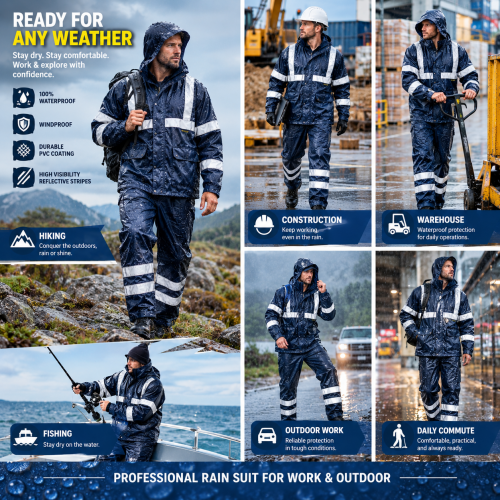
High-visibility rainwear helps workers remain more visible in wet weather and low-light conditions. It is commonly used in road maintenance, construction, transport, utilities, and other outdoor work environments.
For importers, distributors, PPE suppliers, and workwear brands, buying high-visibility rainwear in bulk involves more than comparing prices. Buyers must also check reflective materials, garment design, waterproof performance, safety requirements, and supplier quality control.
Before placing a large order, use this guide to evaluate products and reduce purchasing risks.
Quick Checklist for Buying High-Visibility Rainwear in Bulk
| What to Check | Questions to Ask | Why It Matters |
|---|---|---|
| Visibility features | What colors and reflective materials are used? | Visibility depends on the complete garment design and working conditions. |
| Safety standards | Which standards apply to the intended market and job? | Some applications require tested and certified protective clothing. |
| Waterproof performance | How are the fabric, seams, and closures designed? | These features affect protection from rain. |
| Fit and comfort | Can workers move comfortably while wearing the garment? | Fit matters when rainwear is worn over work clothing. |
| Quality control | Are samples and written specifications available? | Clear requirements help maintain product consistency. |
| Bulk purchasing | What are the MOQ, lead time, and packing details? | These details support cost and inventory planning. |
Key takeaway: The right high-visibility rainwear should match the work environment, required safety standard, and expected weather conditions. Confirm product specifications and compliance documents before approving bulk production.
1. Understand Where the Rainwear Will Be Used
First, identify the working environment. Different jobs may require different levels of visibility, rain protection, and garment coverage.
Road Construction and Traffic Control
Workers near moving vehicles may need high-visibility clothing that meets specific safety requirements. Buyers should confirm the required garment class, background material, reflective material, and applicable standard.
For these applications, do not select a product based on its color or reflective strips alone. The complete garment must meet the requirements for its intended use.
Construction and Engineering Projects
Construction workers often need rainwear that provides suitable coverage and allows them to move during outdoor tasks. Depending on the site rules, they may also need high-visibility clothing.
Check the garment length, sleeve design, hood, front closure, and fit over work uniforms. If workers wear other protective equipment, confirm that the rainwear can be used with it as intended.
Transport, Logistics, and Maintenance
Transport and maintenance teams may work outdoors in rain, fog, or poor lighting. Buyers should consider visibility, ease of movement, and the expected duration of use.
Also check whether workers need a raincoat, a jacket-and-trouser rainsuit, or another garment design.
2. Check Reflective Materials and Visibility Design
Reflective details are an important part of high-visibility rainwear. However, the quality and placement of these materials can affect the garment's visibility.
Look at Reflective Tape Placement
Reflective tape may be placed around the torso, sleeves, shoulders, or other areas. The suitable layout depends on the garment design and the applicable safety requirements.
Before ordering, ask for clear product photos and technical specifications. If the product must meet a particular standard, verify the reflective material and the complete garment's test documentation.
Choose Suitable Background Colors
Bright fluorescent colors are commonly used in high-visibility workwear. Yellow, lime, and orange are examples of colors used in some products.
However, choosing a bright color does not automatically make a garment compliant. Buyers should confirm the required material properties, garment design, and applicable testing requirements.
Ask About Reflective Material Performance
When reflective performance is important, ask the supplier for relevant material information and test reports. Confirm that the documentation matches the material and product being purchased.
For certified protective clothing, review the complete garment's compliance documentation rather than relying only on a reflective tape specification.
3. Confirm the Applicable Safety Standards
Safety compliance should be checked before selecting a high-visibility raincoat for a regulated workplace. Requirements vary by country, industry, and intended use.
Identify the Required Standard Before Ordering
For example, EN ISO 20471 is a standard used for high-visibility clothing in relevant markets. Other markets or applications may have different requirements.
Ask your customer or compliance team which standard and garment class are required. Then confirm that the proposed product has the appropriate supporting documentation.
Check Documents Carefully
Before approving an order, review the following where applicable:
- Relevant test reports and certificates
- The product model and garment design covered by the documents
- Reflective material and background material specifications
- Applicable garment class or performance level
- Document validity and issuing organization
- Destination-market labeling and documentation requirements
Important: A garment with reflective tape is not automatically certified high-visibility protective clothing. Never advertise a product as compliant with a safety standard unless the relevant evidence supports that claim.
4. Evaluate Waterproof Performance and Fabric Construction
High-visibility rainwear must address two needs: visibility and rain protection. A garment may have reflective details but still fail to meet the buyer's waterproof requirements.
Compare Materials and Construction
Industrial rainwear may use coated fabrics, including polyester-based materials, or other materials designed for rain protection. The right option depends on the intended use, required performance, comfort, and target price.
When reviewing a product, check:
- Fabric composition and coating
- Material thickness and garment weight
- Seam construction and seam sealing, where required
- Front closures and protection against water entry
- Hood, cuffs, and trouser openings
- Available waterproof test results
Match Waterproof Performance to the Job
Light rain protection may be sufficient for some tasks, while prolonged exposure to heavy rain may require higher performance. Buyers should define the intended conditions before requesting quotations.
Ask the supplier which tests are available and agree on the acceptance criteria before production. This makes it easier to compare different products fairly.
5. Check Comfort, Fit, and Practical Features
Workers may wear high-visibility rainwear over uniforms, jackets, or other protective clothing. Therefore, fit and movement should be considered during product selection.
Confirm Size and Coverage
Check the size chart, garment length, chest width, sleeve length, and available sizes. If the rainwear must fit over additional clothing, make this requirement clear before ordering.
Review Practical Design Details
Depending on the product, useful features may include adjustable hoods, secure closures, suitable cuffs, pockets, and trousers designed to fit over work clothing.
However, every additional feature should be evaluated against the actual job requirements. More features do not always mean a better product for every buyer.
6. Request Samples and Set Quality Standards
Before placing a bulk order, request a sample whenever possible. A sample allows you to review the actual product rather than relying only on catalogue photos.
Inspect the Sample
Check the material, stitching, seams, reflective tape placement, closures, dimensions, and overall workmanship. If the product must meet specific performance requirements, arrange the relevant testing.
Approve Written Specifications
Once you select a product, document the agreed specifications. Include the material, color, size chart, reflective details, construction, packaging, and any required compliance criteria.
Keep an approved sample where practical. It can serve as a reference during production inspection and help both parties understand the expected quality.
7. Evaluate Your High-Visibility Rainwear Supplier
A suitable supplier should be able to explain product specifications, provide relevant documents, and communicate clearly throughout the purchasing process.
Check Product and Customization Capabilities
If you need private-label rainwear, ask about available logo placement, colors, labels, packaging, and garment designs. Confirm which options are available for your selected product and order quantity.
Ask About Quality Control
Discuss how the supplier checks incoming materials, production workmanship, finished products, measurements, and packaging. If your order has special requirements, agree on inspection methods before production starts.
Confirm Production and Shipping Details
Before confirming a bulk order, request information about:
- Minimum order quantity (MOQ)
- Sample availability and sample charges
- Production lead time
- Packing quantity and carton dimensions
- Gross weight and shipping details
- Inspection arrangements and agreed acceptance criteria
Clear information helps you compare suppliers and plan stock for upcoming projects or seasonal demand.
8. Compare Total Purchasing Costs
Unit price is important, but it should not be the only factor in your decision. Packaging, customization, testing, inspection, freight, duties, and other import expenses can affect the total cost.
When comparing wholesale safety rainwear quotations, make sure each supplier is quoting against the same specifications.
- Product material and construction
- Required reflective and visibility features
- Applicable standards and documentation
- Order quantity and size breakdown
- Logo and packaging requirements
- Shipping terms and delivery schedule
This approach helps you compare value, not just the lowest quoted price.
9. Prepare an RFQ for Bulk High-Visibility Rainwear
A clear request for quotation helps suppliers understand your requirements and prepare an accurate offer. Include as much of the following information as possible:
- Product type: Reflective raincoat, high-visibility jacket, or rainsuit
- Application: Road work, construction, transport, or maintenance
- Material: Preferred fabric or material requirements
- Visibility requirements: Color, reflective layout, and required standard
- Waterproof performance: Required conditions and test criteria
- Quantity: Estimated order quantity and size breakdown
- Customization: Logo, labels, and packaging
- Delivery: Destination country and required delivery date
If you have a reference sample, technical specification, or product drawing, share it with the supplier. This can help avoid confusion about design and performance expectations.
Frequently Asked Questions About High-Visibility Rainwear
1. What is high-visibility rainwear?
High-visibility rainwear is rain-protective clothing designed with visibility features, such as suitable background materials and reflective elements. Products intended for regulated safety applications may need to meet specific standards and certification requirements.
2. Does reflective tape make a raincoat safety compliant?
No. Reflective tape alone does not prove that a garment meets a high-visibility safety standard. Compliance depends on the complete garment, materials, design, and required testing or certification.
3. What should I check when buying reflective rainwear in bulk?
Check the work environment, required safety standard, reflective material, waterproof performance, garment fit, quality control, MOQ, and delivery schedule. Request samples and relevant documents before approving a large order.
4. Can high-visibility rainwear be customized with a company logo?
Logo and packaging customization may be available depending on the product design and order quantity. For products requiring safety certification, confirm whether the proposed customization affects compliance before approving the final design.
5. How do I choose a reliable industrial rainwear supplier?
Review the supplier's product specifications, sample quality, quality-control process, documentation, production lead time, and communication. Confirm that the supplier can meet your specific product and compliance requirements.
Source High-Visibility Rainwear for Your Business
Sourcing high-visibility rainwear in bulk requires careful attention to visibility features, waterproof construction, safety standards, quality control, and total purchasing cost. Clear specifications make it easier to compare products and reduce the risk of ordering unsuitable garments.
Hollee offers rainwear options for industrial and outdoor applications, including selected rainwear styles that can be discussed for business sourcing requirements. Product specifications, customization, and compliance documentation should be confirmed for the exact model and intended market.
If you are an importer, distributor, workwear brand, or industrial supplier, share your target application, estimated quantity, product specifications, and required standards with our team.
Contact Hollee to discuss your industrial rainwear requirements and request a quotation.